

Kinectiv Sport + Health
How Acupuncture Supports Menopause and Perimenopause Symptoms Beyond Hot Flashes
When people think about menopause, hot flashes often come to mind first. While hot flashes and night sweats are common, menopause and perimenopause is far more than a temperature issue, it’s a hormonal transformation—and acupuncture is just one part of a broader, whole-body approach that can support you through this transition.
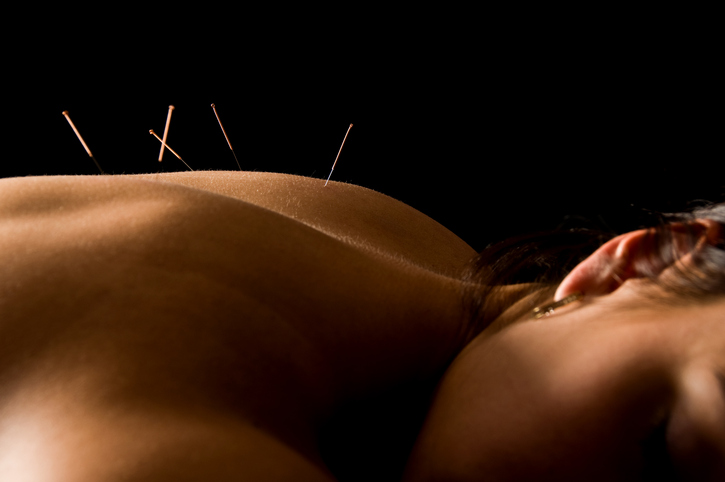
What is Acupuncture? Acupuncture is a Traditional Chinese Medicine (TCM) therapy that uses very fine acupuncture needles to influence the nervous system, circulation, and regulatory processes throughout the body.
Menopause affects the nervous system, digestion, sleep, emotional regulation, stress tolerance, and even how people experience themselves in their bodies. This is why many women and other people experiencing menopause are surprised by how wide-ranging the benefits of acupuncture and Traditional Chinese Medicine (TCM)–therapies can help.
Menopause Through a Traditional Chinese Medicine (TCM) Perspective
In Traditional Chinese Medicine, menopause is seen as a natural transition, not a malfunction or deficiency. As hormonal reserves shift, the body may struggle to regulate temperature, rest deeply, digest efficiently, or adapt to stress the way it once did.
Support often goes beyond acupuncture alone and may include:
Benefits of Acupuncture for Hot Flashes and Temperature Regulation
- Acupuncture
- Moxibustion (moxa)
- Cupping
- Food therapy
- Nervous system regulation practices
The goal of TCM care is balance and resilience—not simply masking symptoms.
Hot flashes and night sweats originate in the brain, specifically the hypothalamus, which regulates body temperature. During perimenopause and menopause, fluctuating estrogen levels can make this system overly sensitive, leading to sudden heat surges, chills, or temperature swings.
How does acupuncture help? Acupuncture can…
- calm hypothalamic signaling
- regulate the autonomic nervous system
- improve circulation
- influence endorphins involved in heat perception
This is why acupuncture often reduces hot flashes, night sweats, chills, and temperature swings—symptoms many people don’t realize are connected.
Actionable Self-Care: A Simple Tea for Menopause Symptoms
In addition to in-clinic care, there are gentle self-care practices that can be supportive at home.
A commonly recommended tea for menopause-related symptoms includes:
- Rose bud or rose petal – supports circulation, digestion, and emotional balance
- Hibiscus (for heat symptoms) – helps clear excess heat and supports cooling
Important: This tea is most effective when made from whole, dried flowers rather than powdered tea bags. Whole flowers retain more therapeutic properties and are easier on digestion.
This tea may be supportive for hot flashes, mood changes, and digestive discomfort, particularly when used alongside acupuncture.

Digestive Symptoms During Menopause (Often Overlooked)
Digestive changes are common during perimenopause and menopause, even though they are less frequently discussed. Some people notice new or worsening symptoms such as:
- Bloating
- Constipation
- Acid reflux
Hormonal shifts affect gut motility, stomach acid production, and stress responses tied to digestion. In TCM, digestion is closely linked to energy and fluid balance—both of which change during menopause.
Acupuncture and food therapy can help regulate digestion, often improving comfort and energy levels at the same time.
Sleep Changes: It’s Not Always About Night Sweats
Not all menopause-related sleep issues involve heat. Some people experience:
- frequent waking
- light, restless sleep
- difficulty getting out of bed
- feeling unrefreshed despite adequate sleeping time
A lesser-known fact: many menopausal people need more sleep than before—sometimes closer to 9–10 hours. This is a physiological shift, not a lack of motivation.
Acupuncture supports sleep by calming the nervous system and regulating circadian rhythms making deeper and more restorative rest more accessible.
Stress Tolerance Shrinks — Even If Life Hasn’t Changed
One of the most misunderstood aspects of menopause is stress.
It’s often not that life becomes more stressful—but that women’s capacity to handle stress becomes narrower. The nervous system has less buffer, so things that were once manageable can feel overwhelming.
Benefits of acupuncture:
- Regulate the stress response
- Reduce fight-or-flight activation
- Support emotional resilience
Many people notice they feel calmer and less reactive, even when external stressors remain the same.
Cycle Changes and Perimenopause Symptoms
During perimenopause, many women and other people who menstruate notice changes such as:
- heavier periods
- worse cramps
- increased PMS
- irregular cycles
These changes are common—but they don’t have to be ignored. Acupuncture can help stabilize hormonal fluctuations and reduce symptom intensity during this phase of the transition.
The Importance of Being Heard During Menopause
Menopause is not just physical. It’s often a time of reflection, reassessment, and significant life changes. Many people benefit from simply having space to talk, learn, and better understand what’s happening in their bodies. It’s also common for menopause to overlap with major personal shifts, including changes in priorities, boundaries, relationships, and identity. For this reason, many women and other people experiencing menopause seek counselling support during this time.
(We’ll be exploring this emotional side of menopause more deeply in an upcoming blog focused on counselling support for perimenopause and menopause.)
The Bottom Line
Menopause affects far more than hormones alone. It influences sleep, digestion, stress tolerance, mood, cognition, menstrual cycles, and identity.
Acupuncture and Traditional Chinese Medicine offer individualized, whole-body support that helps people feel steadier, more rested, and more at home in their bodies during this transition. Many people also benefit from acupuncture & massage together as part of a comprehensive care approach for nervous system regulation and stress relief.
Work With Our Acupuncturist, Sarah Shiho
If any of this resonates with your experience, you’re not alone—and you don’t have to navigate it on your own.
Sarah Shiho, our acupuncturist with a strong interest in supporting women through perimenopause and menopause, offers care focused on nervous system regulation, hormonal transitions, digestion, sleep, and stress resilience. Her approach creates space not only for symptom support, but also for understanding what’s happening in your body during this stage of life.
Book an appointment with Sarah Shiho to feel more supported, informed, and grounded through your menopause journey.